
Debunking Common Migraine Myths: What You Really Need to Know


Understanding Migraines: Beyond the Myths
Migraines are often misunderstood, leading to a variety of myths that can misinform and confuse those who suffer from them. It’s crucial to separate fact from fiction to manage migraines effectively. Here, we'll debunk some of the most common myths surrounding migraines.

Myth 1: Migraines Are Just Bad Headaches
One of the most pervasive myths is that migraines are simply severe headaches. In reality, migraines are a complex neurological condition. While headaches are a symptom, migraines often include other debilitating symptoms such as nausea, sensitivity to light, and visual disturbances known as auras.
Understanding this distinction is vital for effective treatment. Unlike regular headaches, migraines require specific therapies and lifestyle adjustments. Recognizing the full spectrum of symptoms can lead to better management and relief.
Myth 2: Only Adults Get Migraines
Many people believe that migraines only affect adults, but this is far from true. Children and teenagers can also experience migraines, though their symptoms might present differently. Early recognition and treatment can significantly improve quality of life for young sufferers.

Parents should be aware of symptoms like stomach pain, dizziness, and mood changes, which might indicate a migraine in children. Consulting a healthcare professional can help in diagnosing and managing migraines in younger individuals.
Myth 3: Migraines Are Always Triggered by Stress
While stress is a well-known trigger, it is not the sole cause of migraines. Other common triggers include certain foods, hormonal changes, weather conditions, and even sensory stimuli. Understanding personal triggers is key to managing migraines effectively.
Keeping a migraine diary can help identify and avoid specific triggers. This proactive approach can lead to fewer attacks and improved quality of life.
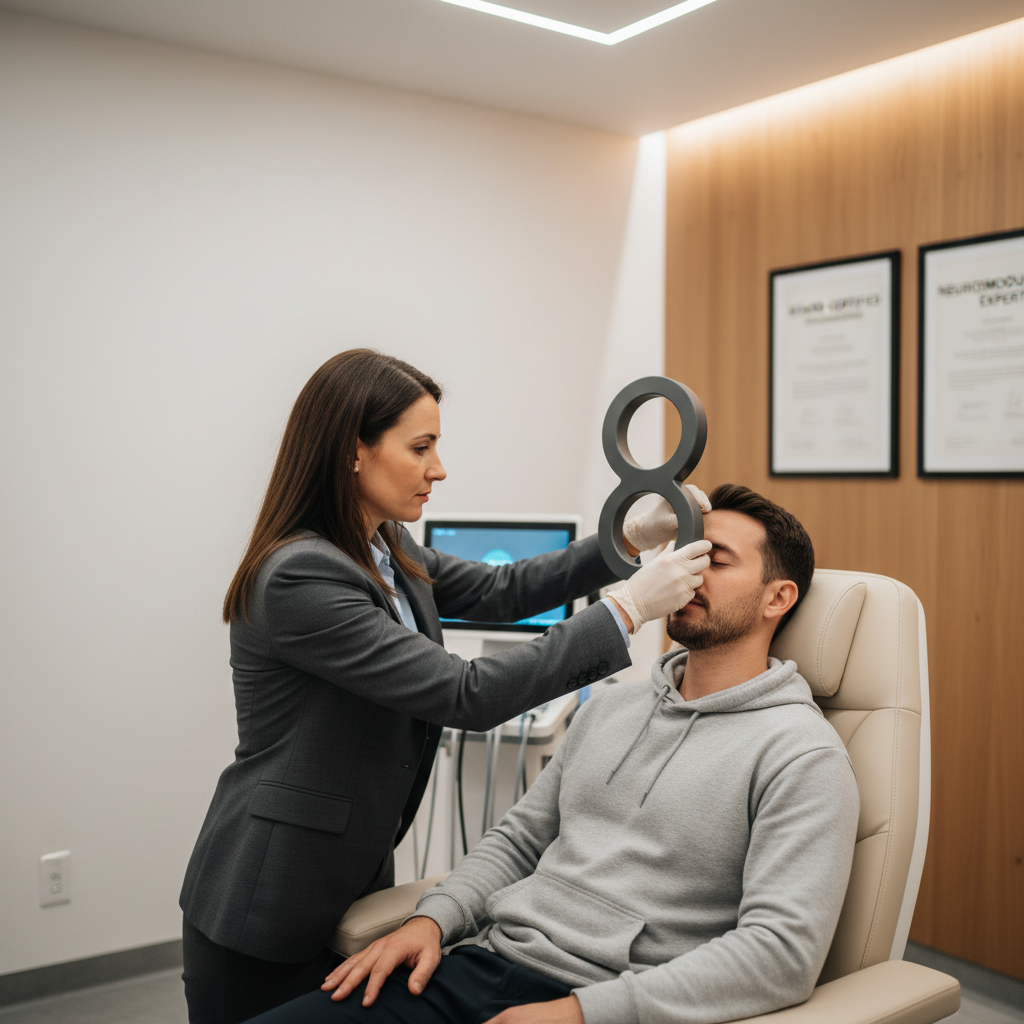
Myth 4: Medication Is the Only Treatment
Medication is an essential part of migraine management, but it’s not the only solution. Lifestyle changes, such as regular exercise, proper hydration, and a balanced diet, play a crucial role in reducing the frequency and severity of migraines.
- Exercise regularly to reduce stress.
- Maintain a consistent sleep schedule.
- Stay hydrated and avoid trigger foods.
Complementary therapies, such as acupuncture and cognitive behavioral therapy, may also provide relief for some individuals.
Myth 5: Migraines Are Not a Serious Health Issue
Another harmful misconception is that migraines are not a serious health concern. On the contrary, chronic migraines can significantly impact daily life, leading to missed work, social isolation, and mental health challenges.
Recognizing migraines as a legitimate and serious medical condition is important for obtaining the right support and treatment. Advocacy and awareness can help reduce stigma and improve resources for those affected.
By debunking these myths, we can foster a better understanding of migraines, leading to more effective management and support for sufferers. Always consult with healthcare professionals for accurate diagnosis and personalized treatment plans.